
Lunaway’s Tips for Sustainable Use of Fireplaces and Wood Stoves
Keep warm with wood without polluting
Simple tips for enjoying the warmth of a fire efficiently and sustainably.
The warmth of a fire is a natural resource that, when used properly, enhances home comfort while reducing environmental impact. Using cast iron plates to optimize combustion and adopting sustainable practices helps keep the air clean and save resources.
1
Use the top-down lighting method
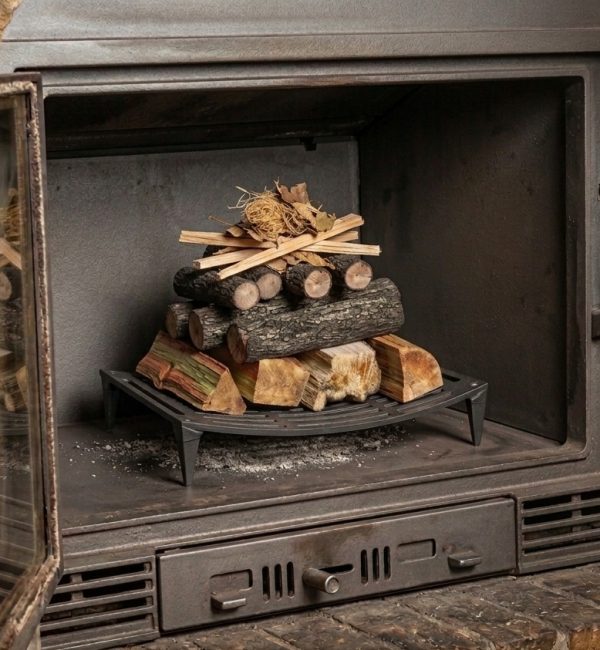
Although it may seem counterintuitive, lighting the fire from the top is much better than lighting it from the bottom. In fact, a stove or fireplace generates most of its smoke and pollution during the ignition phase if lit from below.
For a cleaner burn, follow the picture: start by placing the largest logs at the bottom and smaller kindling on top, making sure to leave space for airflow.
By lighting the top layer, the heat begins to rise, fresh air is drawn in from the bottom, and the fire will start to burn without releasing smoke and polluting particulates.
1
tip
In general, it’s best to avoid burning paper in the fireplace and opt for wood or suitable fuels instead. In fact, pigments, coatings, and chemical treatments will negatively impact air quality.
2
Cleaning and Maintenance
To improve combustion efficiency and reduce smoke, remember to clean your fireplace or stove regularly. Before each light-up, use a wire brush to remove soot from the surfaces, and don’t forget to call your trusted chimney sweep at least once a year.
3
Choose quality firewood
Seasoned wood burns more efficiently and produces less smoke and particulate matter than fresh wood. Make sure your wood has been properly seasoned for at least six months before burning it.
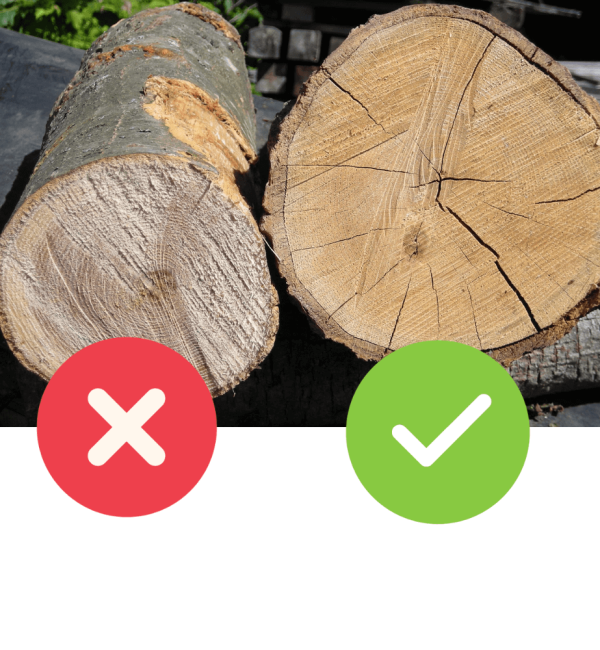
Properly seasoned wood is lighter and shows cracks and checks at the ends. When struck against another piece of wood, it produces a hollow sound.
Below is a ranking of wood types based on their heating value:
| 1. | Oak: | 5.9 - 6.1 kW |
| 2. | Beech: | 5.2 - 5.5 kW |
| 3. | Pine: | 4.9 - 5.2 kW |
| 4. | Fir / Spruce: | 4.5 - 4.8 kW |
| 5. | Birch: | 4.3 - 4.5 kW |
| 6. | Elm: | 4.1 - 4.3 kW |
| 7. | Poplar: | 3.9 - 4.1 kW |
| 8. | Acacia: | 3.6 - 3.9 kW |
| 9. | Cherry: | 3.3 - 3.6 kW |
| 10. | Cypress: | 2.9 - 3.3 kW |
tip
By burning high-quality wood, you can recycle the leftover ash in your garden or vegetable patch, providing an excellent, cost-free fertilizer.
4
Choose local wood
Using locally sourced wood reduces indirect pollution from transport and helps keep surrounding forests clean (wood left to rot emits more greenhouse gases than burning it in a fireplace). Plus, you’ll support the local economy while saving a significant amount of money.
Always consider the environmental impact of your actions and adopt the most sustainable practices possible when using wood to heat your home!
Every small step we take toward more responsible heating helps preserve natural resources and protect the environment.